
“I used to be more active” – a sentence many people know
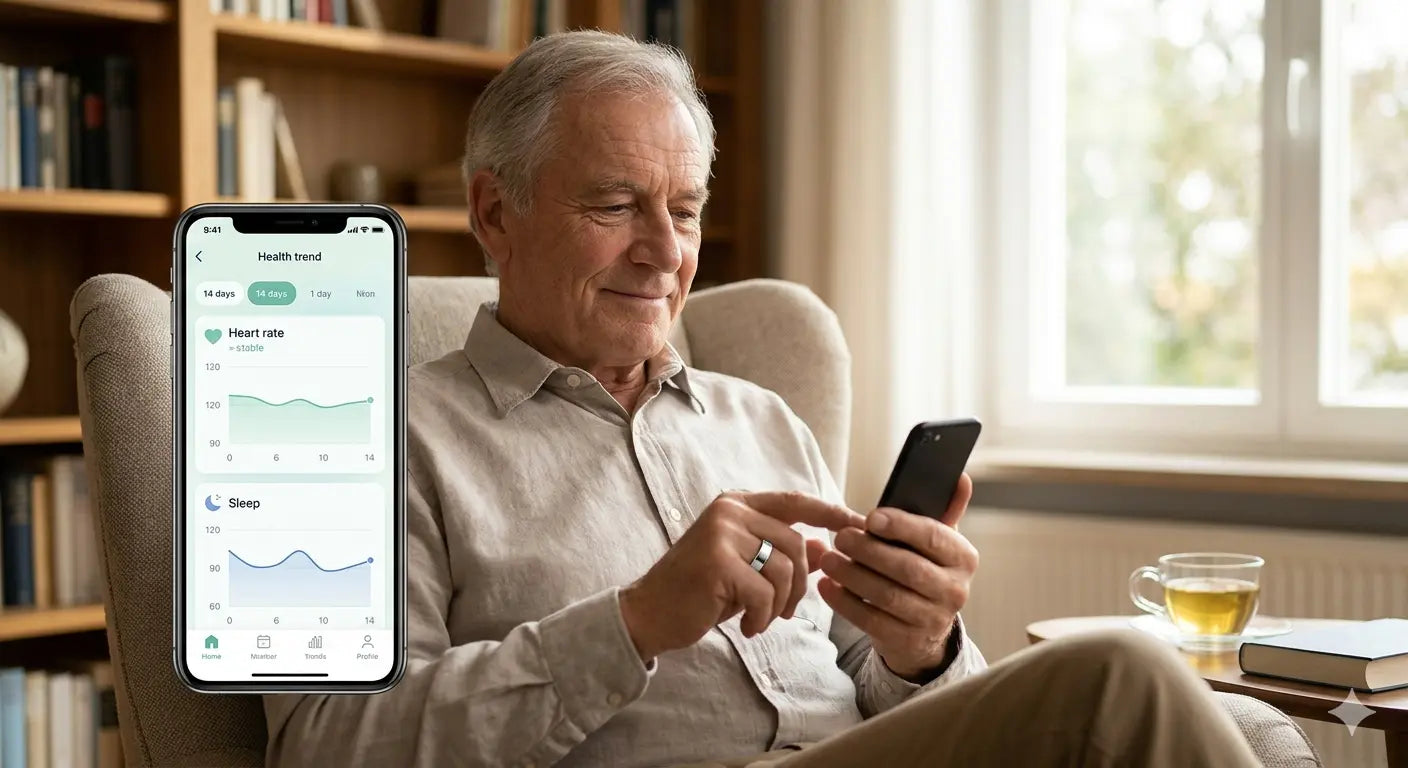
Mr. K., 72, says it quite calmly: “I still get some exercise – just less than I used to.”
What he describes is not unusual. As the years go by, everyday life changes. Distances get shorter, and movement becomes less of a given.
Yet this is precisely where an important factor in health and well-being comes in.
Why movement is about more than fitness
Movement has an impact on many areas at once:
- It stabilises the circulatory system
- It improves sleep
- It reduces stress
- It supports the joints
The important thing is that it’s not about performance. It’s about consistency.
In the long run, 10 minutes of daily movement often has a greater effect than one intense workout a week.
What the research shows
Studies in preventive medicine show:
- Just 20–30 minutes of daily movement improves heart health
- Regular walking lowers the risk of exhaustion
- Movement measurably improves sleep quality
Why many people still don’t get started
The most common reason isn’t laziness. It’s uncertainty.
Many people wonder:
- What kind of movement is right for me
- Am I doing too much or too little
- Does it even make a difference
A realistic 7-day start
Days 1–2
Take a 10-minute walk – whenever you like
Days 3–4
Walk for 10 minutes twice a day
Days 5–7
Set a regular time
Pair movement with something enjoyable – such as a phone call or music.
A quick self-check
- Do I get at least 15 minutes of movement every day
- Do I feel better after moving
- Do I sleep more soundly after active days
Support from modern technology
Many people benefit from being able to see their activity. Not for monitoring, but for guidance.
A simple overview of steps, activity, and trends can help you stick with it – without pressure.
A gentle recommendation
If you’d like to better understand movement and incorporate it into your daily routine, a health device can be a useful aid.
Find suitable solutions for more movement and better health here
Note: Not a substitute for medical advice.