
Digital health without stress: how technology can bring security and calm
In 2026, many people want the same things they wanted 30 years ago. Better health. More security. More peace of mind in everyday life. The only difference today is that we no longer have to rely on "feeling" or "guessing" everything. We can spot developments before they overwhelm us. And we can do so without tech stress, without complicated menus and without the feeling that we are constantly doing something wrong.
This article has deliberately been written the way you might read it in a health magazine. Clear, practical and focused on what matters in real life. Not perfection, but security and clarity.
Why digital health makes many people nervous at first
When you think of "health technology", you may think of complicated apps, password chaos or beeping devices. That is understandable. For a long time, many products were built for tech enthusiasts, not for people who simply want to know: is everything all right?
The decisive change is therefore not "more features", but better simplification.
The new rule is
- Technology must adapt to everyday life. Not the other way round.
- Measuring must not cause stress. It should reassure.
- Data must be understandable. Otherwise it is worthless.
What modern wearables can really do – and what they can't
Today, wearables can measure or estimate many readings. That is helpful, but it is important to put them in the right context.
What wearables do very well
- Make trends visible over days, weeks and months
- Support routines with reminders to move, drink water or take medication
- Provide guideline values for pulse, sleep, stress and oxygen
- Increase safety through SOS functions and emergency workflows
What wearables do not replace
- a thermometer if you suspect a fever
- a conventional blood pressure monitor for medical decisions
- medical diagnosis by a doctor
It is precisely this clear distinction that makes digital preventive care work. It is support. Not a replacement.
The "2100 idea": health technology you almost forget about
Imagine health technology as being like a good seat belt in a car. You don't think about it all the time. But you are glad it is there.
The best digital companion is therefore one that you barely notice in everyday life, but which stays attentive in the background. Modern Kardena solutions are designed with exactly this in mind. Unobtrusive, clear, reliable.
The key building blocks for stress-free digital health
1. Consistency instead of compulsive checking
A single reading says little. Only the trend counts. It is like the weather: one rainy day is not a climate. That is why it makes sense to record readings continuously and only then put them into context.
If you use a wearable, don't look at individual numbers every day. Instead, check the trend once a week. This reduces brooding and makes it more useful.
2. Calm through clear alert logic
Many people lose confidence when a device is constantly beeping or raising false alarms. Good systems work differently: they measure quietly, put the data into context, and only alert you when genuinely unusual patterns emerge.
If a family member doesn't like technology, choose devices that work without constant interaction. The less someone has to "click", the more often it will actually be used.
3. Data protection by choice
Many people don't want their data stored "somewhere". Modern systems therefore offer a choice: local storage or encrypted cloud. This matters because trust is the foundation of any health routine.
Which solution suits which lifestyle
In the year 2100, we would say: we no longer choose devices based on "technology". We choose them based on how they fit our lives. That is exactly how you should do it in 2026, too.
If you want to see everything on a display
Then a health watch is often the best choice. It shows readings directly, offers many features and suits people who want to actively work with their data.
If you want security without a display
Then a health band makes sense. It measures quietly in the background and usually offers safety features without you having to operate anything constantly.
If you want maximum discretion and comfort
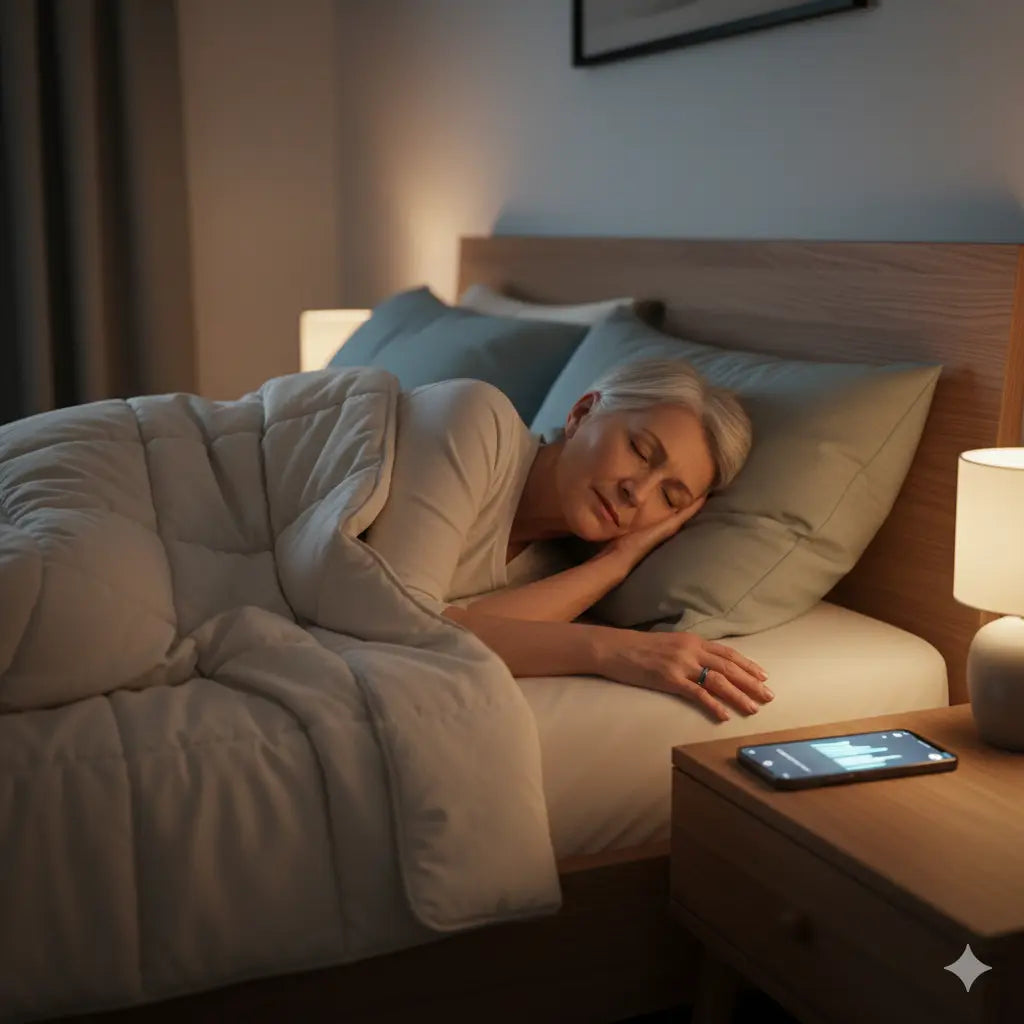
Then a health ring is ideal. It looks like a normal piece of jewellery, but measures vital signs and sleep patterns around the clock. That is exactly what makes it so attractive to many people aged 55+.
For 14 days, set just two goals: 20 minutes of exercise a day and a fixed bedtime. Wearables help you stay on track without creating pressure.
Entertaining, but useful: the quick "everyday check"
Answer these three questions spontaneously. No analysis, just gut feeling.
- 1. Do I often feel unsafe when I am alone
- 2. Do I often sleep worse than I would like
- 3. Would I like to understand my health better without having to measure constantly
If you answer "yes" to two or three of these questions, digital health support is very likely to be a real relief. Not because it solves everything, but because it quietly creates stability in everyday life.
The Kardena recommendation for 2026: a product that solves exactly this problem
For stress-free digital health, it is crucial that the device is not complicated but feels natural. That is exactly why the Kardena® CARE Life 3 was developed: a health ring that records vital signs 24/7, analyses sleep and recovery, gives gentle reminders and can call for help via your smartphone in an emergency.
If you are looking for maximum discretion, simple operation and a calm overview of your health, the CARE Life 3 is a very suitable solution.
Find the CARE Life 3 and other current recommendations (Pro 5, Vital 2) at a glance here
Note: Wearables are wellness and lifestyle products. They support orientation and routines, but do not replace medical diagnosis or medical measuring devices.